
Affiliate Disclosure | NutrireviewLab Commission & Sponsorship Policy
Clear disclosure for affiliate links, Amazon commissions, sponsored placements, and partner relationships.
NutrireviewLab may earn commissions from affiliate links, Amazon links, sponsored placements, or partner relationships. These relationships help support our review work, but product recommendations should remain based on formula quality, dosage transparency, label clarity, price per serving, evidence level, and user fit.
Why We Disclose Relationships
Disclosure helps readers understand whether NRL may receive compensation from links, placements, brand relationships, or product samples.
Affiliate disclosure is not a small legal note hidden at the bottom of a website. For NRL, it is part of reader trust. Supplement shoppers often ask whether a recommendation is based on real review criteria or whether it exists because a brand paid for placement. That question is fair, especially in categories where products may look similar on the surface but differ sharply in serving size, ingredient transparency, sodium level, caffeine content, price per serving, third-party testing signals, or customer feedback patterns.
NRL discloses commercial relationships so readers can judge content with context. A page may contain affiliate links, Amazon links, sponsored placements, or references to partner brands. When those relationships exist, they should be visible and written in plain language. Disclosure does not mean a product is bad or that a review is unreliable. It means the reader deserves to know how the website may earn revenue. Our goal is to explain the relationship clearly while keeping the review itself tied to published criteria, product labels, public information, and editorial analysis.

How Affiliate Links Work
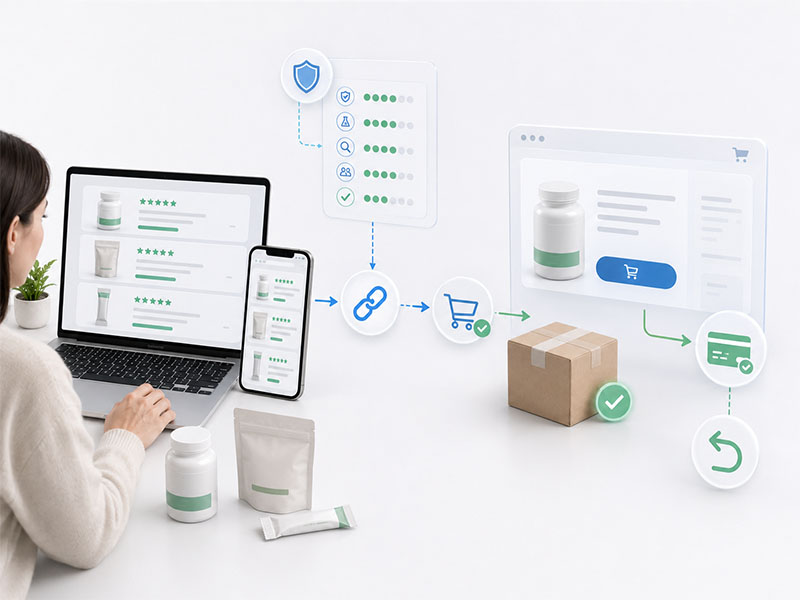
Affiliate links may earn NRL a commission when readers buy through certain product or retailer links.
Some NutrireviewLab articles, rankings, product reviews, comparison tables, and buying guides may include affiliate links. If a reader clicks one of these links and makes a qualifying purchase, NRL may earn a commission from the retailer, marketplace, or affiliate network. In most cases, this commission does not change the price the reader pays. The retailer handles the sale, shipping, customer service, returns, and payment processing.
Affiliate revenue helps support research, editing, content updates, product comparisons, site maintenance, and the time required to organize supplement information into useful buying guides. However, affiliate links should not decide the score. A product should not rank higher only because it offers a stronger commission. NRL reviews should continue to evaluate supplement products by formula quality, dosage transparency, evidence fit, safety and label clarity, price and value, brand trust, and customer feedback patterns.
If a page contains affiliate links, the disclosure should appear close enough to the recommendation or article opening that readers can notice it before making a buying decision. NRL avoids hiding commercial relationships behind vague wording.
Amazon Associate Disclosure
Some NRL product links may direct readers to Amazon, where qualifying purchases may earn commissions.
NutrireviewLab may link to products sold on Amazon because many supplement shoppers compare price, reviews, subscription options, flavors, delivery speed, and availability there before buying. When NRL includes Amazon links, some of those links may be affiliate links. As an Amazon Associate, NRL may earn from qualifying purchases.
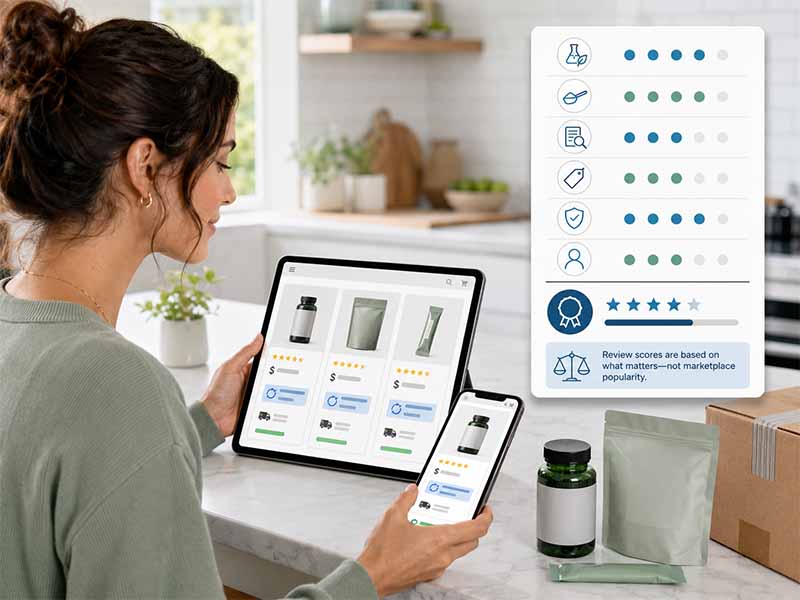
Amazon availability, pricing, ratings, number of reviews, and subscription offers can change frequently. NRL may reference these details when available, but readers should always confirm current price, shipping terms, product version, label, and seller information on Amazon before purchasing. A product’s Amazon popularity does not automatically mean it receives a top NRL score. We still review formula details, serving size, price per serving, label clarity, user fit, and trust signals.
Sponsored Placements
Sponsored products may appear on NRL, but placement does not automatically mean a higher score or universal recommendation.
NRL may accept sponsored placements from supplement brands, retailers, affiliate partners, or related companies. Sponsored placement means a brand or partner may pay to receive visibility on a page, in a product card, in a comparison section, or in a featured area. Sponsored placement should be labeled clearly.
| Placement Type | What It Means | NRL Rule |
|---|---|---|
| Sponsored Product Card | A brand pays for visibility in a product card area | Must be labeled as sponsored or paid placement |
| Sponsored Section | A brand supports a specific section or content area | Disclosure should appear near the section |
| Sponsored Sample | A brand provides free product for review consideration | Sample relationship must be disclosed |
| Editorial Ranking | Product is ranked through NRL criteria | Score should be based on published criteria |
| Partner Mention | A brand has a commercial relationship with NRL | Relationship should be disclosed where relevant |
Partner Brand Relationships
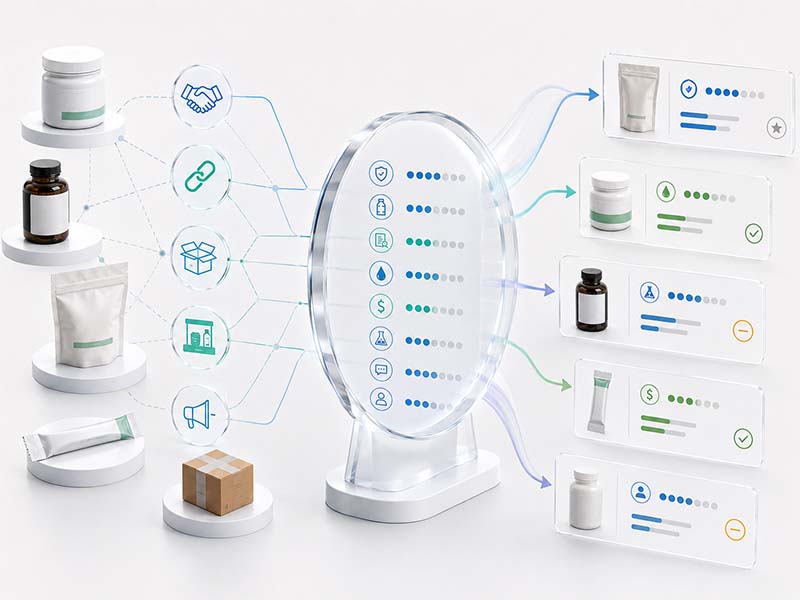
Partner relationships are disclosed where relevant, and product evaluation should remain tied to published review criteria.
Some products mentioned on NutrireviewLab may be associated with partner brands, affiliate relationships, sponsored placements, product samples, advertising arrangements, or other commercial connections. If a brand relationship could reasonably affect how readers understand a recommendation, NRL should disclose that relationship where relevant.
This matters in supplement content because trust is fragile. Readers want to know whether a product is being recommended because it fits the scoring framework or because there is a financial relationship behind the page. NRL’s approach is to show the relationship and then still evaluate the product using the same practical review lens: formula quality, dosage transparency, label clarity, sugar or caffeine profile, price per serving, third-party testing signals, customer feedback patterns, and fit for the reader’s scenario.
Partner brands should not be forced into every top position across unrelated rankings. A hydration product may fit one guide but not another. A protein powder may offer good value but weak flavor feedback. A longevity supplement may need careful wording and clear evidence boundaries. Commercial relationships should never erase product trade-offs.
Review Independence
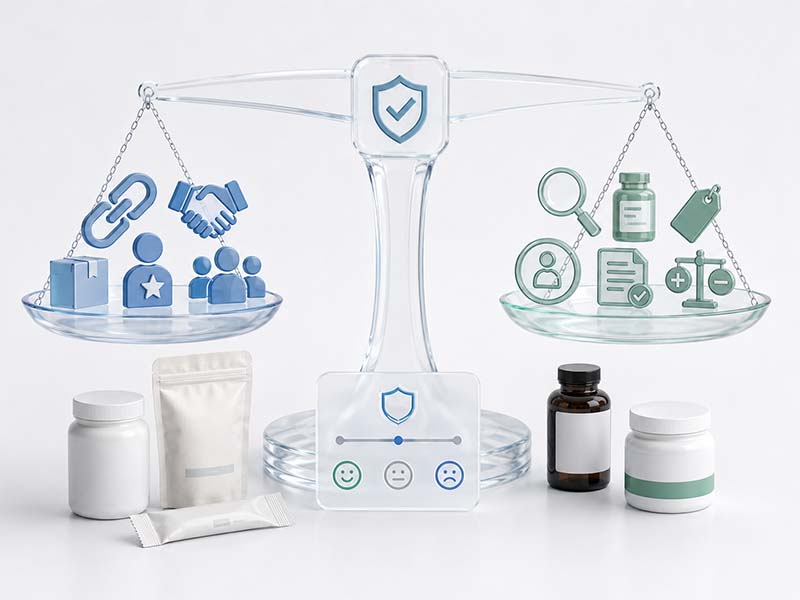
NRL’s ranking logic should remain based on published scoring criteria, not commission size or brand pressure.
NRL may earn revenue through affiliate links or sponsored visibility, but review independence is protected by a published scoring framework. A commission opportunity should not replace product analysis. When readers see rankings, product cards, or recommendation tables, they should be able to understand why a product appears there.
| Editorial Area | What NRL Reviews | Why It Matters |
|---|---|---|
| Formula Quality | Ingredient forms, formula logic, and avoidable fillers | Prevents vague praise without product detail |
| Dosage Transparency | Serving size and labeled ingredient amounts | Helps readers compare real intake |
| Evidence Fit | Whether the formula matches the stated use case | Keeps claims realistic and category-specific |
| Label Clarity | Sugar, caffeine, allergens, warnings, and directions | Helps readers identify possible conflicts |
| Price & Value | Price per serving and routine affordability | Prevents container price from misleading readers |
| Brand Trust | Testing signals, certifications, COA access, return policy | Adds context beyond popularity |
| Customer Feedback | Repeated public patterns around taste, mixability, packaging | Helps show real-world buying concerns |
A product may contain an affiliate link and still receive a lower score if it has weak transparency, poor value, unclear dosing, or limited use-case fit.
What Disclosure Does Not Mean
A disclosed commercial relationship does not automatically make a review positive, negative, or unreliable.
When NRL discloses an affiliate link, Amazon link, sponsored sample, or partner relationship, it does not mean that every word on the page is advertising. It also does not mean the product is automatically recommended. Disclosure simply gives readers the commercial context they need before clicking, comparing, or buying.
A fair review can include affiliate links if the page still explains the product clearly. Readers should see what the product is, what the label shows, who it may suit, who may want to skip it, what the price per serving looks like, and how it compares to alternatives. If the product has drawbacks, those drawbacks should appear. If the evidence is label-based rather than hands-on tested, that should be stated. If a brand provided a sample, the sample relationship should be visible.
The opposite is also true. A product without an affiliate link is not automatically better. NRL’s goal is not to reward or punish products by commercial structure. The goal is to make the relationship visible and keep the comparison useful.
Health Product Advertising Boundaries
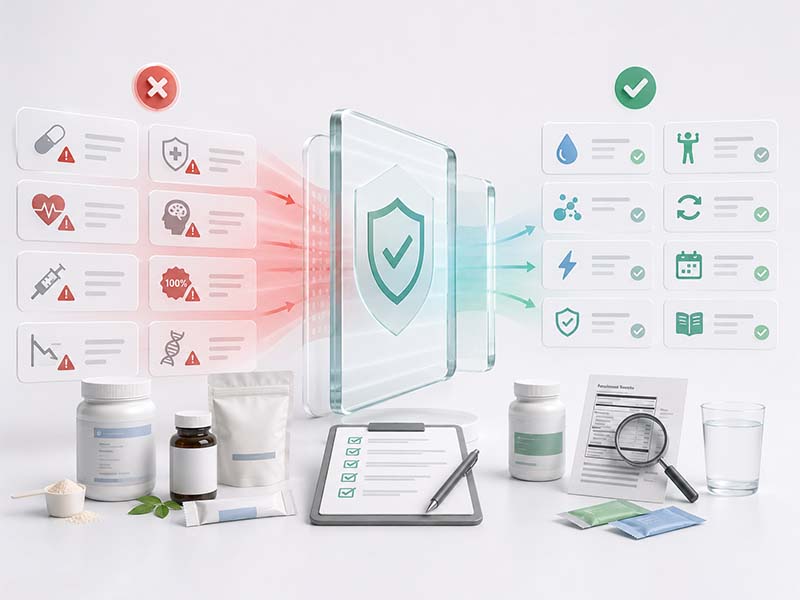
Affiliate content must avoid medical-style claims, exaggerated outcomes, and disease treatment language.
Because NRL reviews dietary supplements, affiliate content must be written with extra care. We may describe products as supporting hydration, helping replenish electrolytes lost through sweat, supporting normal muscle function, playing a role in normal energy metabolism, or being part of a daily wellness routine when the wording fits the ingredient and product context. This language should still be measured, not exaggerated.
NRL should not use claims such as cure, treat, prevent disease, reverse aging, heal, detox toxins, cure dehydration, treat migraine, prevent cramps, lower blood pressure, treat anxiety, cure insomnia, treat depression, prevent Alzheimer’s, treat diabetes, restore hormones, medical-grade result, or guaranteed results. “Doctor-approved” or “clinically proven” should not appear unless the claim is specific, verifiable, and supported by appropriate evidence.
Affiliate revenue should never push NRL into stronger claims than the product label or available evidence supports. A commission link is not a reason to oversell a supplement. Every health-related page should remind readers that content is educational and not medical advice.
Where Disclosures Appear
NRL uses page-level, article-level, product-level, sponsored-placement, and footer disclosures for different commercial contexts.
A disclosure is only useful if readers can find it. NRL should avoid burying important commercial information in a place where readers are unlikely to see it before acting. Different pages may require different disclosure positions.
| Disclosure Location | Best Used For | Example Placement |
|---|---|---|
| Article Opening | Affiliate links in a review or ranking article | Near the first product recommendation |
| Product Card | Sponsored product or affiliate product card | Above or below the CTA button |
| Comparison Table | Multiple affiliate-linked products | Short note above or below the table |
| Sponsored Section | Paid placement or brand-supported section | At the top of the section |
| Site Footer | Amazon Associate statement and sitewide disclosure | Footer and Disclosure page |
| Review Methodology Page | General commercial relationship explanation | Within editorial standards |
| Email or Newsletter | Affiliate product links in email content | Before or near linked products |
Frequently Asked Questions
1. Does NRL use affiliate links?
Yes. Some NRL pages may include affiliate links. If readers buy through those links, NRL may earn a commission.
2. Do affiliate links change prices?
Usually, affiliate links do not increase the price readers pay. The retailer controls pricing, shipping, returns, and payment.
3. Is NRL an Amazon Associate?
NRL may participate in Amazon Associates. As an Amazon Associate, we may earn from qualifying purchases.
4. Do commissions affect rankings?
Commissions should not determine product scores. NRL rankings should follow published review criteria and product analysis.
5. What is sponsored placement?
Sponsored placement means a brand or partner pays for visibility. It should be labeled clearly on the page.
6. Are sponsored products always recommended?
No. Sponsored visibility does not automatically mean a higher editorial score or universal recommendation.
7. Do brands send samples?
Some brands may provide samples. If a product sample influences review context, the sample relationship should be disclosed.
8. Can partner brands appear in reviews?
Yes, but commercial relationships should be disclosed where relevant, and product evaluation should remain criteria-based.
9. Does NRL give medical advice?
No. NRL provides educational supplement buying guidance only. Readers should consult qualified healthcare professionals for medical questions.
Contact NRL About Disclosures
Send disclosure questions, correction notes, sponsorship concerns, affiliate questions, or brand relationship details to NRL.
If you have a question about affiliate links, Amazon Associate links, sponsored placements, product samples, partner relationships, or disclosure wording on NutrireviewLab, contact our team directly. Helpful messages include the page URL, product name, brand name, link location, screenshot, and a short explanation of what seems unclear. If you are a brand or partner, include the relevant relationship details, campaign information, sample status, sponsorship status, or correction request.
NRL reviews disclosure concerns so readers can better understand the commercial context behind product pages. We may update page-level disclosures, product card labels, sponsored placement notes, Amazon Associate statements, or partner relationship language when needed. NRL does not accept requests to hide material relationships or rewrite sponsored content as independent editorial content.
Send Us Your Questions Directly
We’re Here to Help You Choose the Right Supplement