
Review Methodology | How NutrireviewLab Scores Supplements
NRL reviews products by formula quality, dosage clarity, label transparency, price per serving, evidence level, and real user fit.
NutrireviewLab uses clear scoring standards to help readers understand why a supplement ranks well, who it may suit, and where the trade-offs are. Our reviews focus on facts, not hype—ingredients, dosage, price, transparency, use case, and disclosure all matter before a product earns a recommendation.
NRL is not a medical provider, and our content is educational buying guidance, not medical advice.
Why Methodology Matters
NRL’s methodology reduces vague claims by showing scoring logic, product trade-offs, and real buying factors.
Supplement shoppers usually do not compare products on one factor alone. A fitness user may care about sodium, potassium, creatine, caffeine, taste, and portability. A fasting user may care about sugar, calories, sweetener type, and whether the electrolyte profile fits their routine. A busy professional may look at magnesium form, CoQ10 dosage, omega-3 serving size, or whether a product is easy to use every day. A family shopper may simply want a product that is understandable, fairly priced, and not overloaded with claims.
NRL’s methodology turns these questions into a repeatable review structure. We ask what the product is designed for, what the label actually shows, what the serving provides, what one serving costs, which users may benefit from comparing it, and which users may want to skip it. This approach keeps reviews from becoming generic praise. It also helps readers understand that “best” depends on fit. A product can be excellent for heavy sweat hydration and still be a poor choice for someone seeking a low-sodium daily drink. A premium supplement can score high on label clarity but lower on value if the cost per serving is high.

General Scoring Framework
NRL general scoring model weighs formula quality, dosage transparency, evidence fit, safety, value, trust, and feedback patterns.
NRL uses a general scoring framework for broad supplement categories such as magnesium, protein powder, collagen, probiotics, multivitamins, omega-3, vitamin D3/K2, sleep support, stress support, brain and focus supplements, greens powder, and fiber supplements. The weights help our editors keep reviews consistent while still leaving room for category-specific judgment.
| Scoring Area | Weight | What NRL Checks |
|---|---|---|
| Formula Quality | 25% | Ingredient form, formula logic, avoidable fillers, and whether the product fits the category |
| Dosage Transparency | 20% | Clearly listed ingredient amounts, serving size, proprietary blends, and label readability |
| Evidence Fit | 15% | Whether the ingredient choices match the product’s stated support area and use case |
| Safety & Label Clarity | 15% | Caffeine, sugar, allergens, warnings, serving directions, and possible user limitations |
| Price & Value | 10% | Cost per serving, servings per container, subscription options, and daily-use affordability |
| Brand Trust | 10% | Testing signals, certifications, COA access, return policy, and transparency |
| Customer Feedback | 5% | Repeated public patterns around taste, mixability, packaging, tolerance, and value |
A 9.0+ score does not mean a product is right for everyone. It means the product performs strongly against NRL’s criteria for a defined audience and use case.
Electrolyte Powder Scoring
Hydration products need separate scoring because sweat, diet, sugar, sodium, and use case change the decision.
Electrolyte powder is one of NRL’s most detailed review categories. A hydration formula may be designed for heavy sweating, fasting, hot weather, travel, everyday sipping, or workout recovery routines. Because these scenarios are different, NRL does not treat all electrolyte powders as interchangeable. A high-sodium product may suit endurance training or heavy sweat loss but feel too salty for casual daily use. A low-calorie, sugar-free formula may appeal to fasting or keto users but may include sweeteners some people avoid.
| Electrolyte Scoring Area | Weight | What NRL Checks |
|---|---|---|
| Electrolyte Profile | 25% | Sodium, potassium, magnesium, calcium, chloride, and whether amounts match the use case |
| Sugar & Sweetener Profile | 15% | Sugar, added sugar, carbs, calories, stevia, monk fruit, sucralose, or other sweeteners |
| Ingredient Transparency | 15% | Clearly listed amounts and avoidance of unclear proprietary blends |
| Taste & Mixability | 15% | Hands-on notes when available; otherwise repeated public feedback patterns |
| Use-Case Fit | 15% | Workout hydration, fasting, travel, heat, daily use, or recovery routine |
| Price Per Serving | 10% | Cost per serving, serving count, subscription pricing, and value |
| Customer Feedback Patterns | 5% | Repeated comments about taste, stomach feel, packaging, clumping, and price |
Evidence Levels Used
NRL labels review evidence so readers know whether a product was tested, analyzed, sampled, or reviewed from public information.
Not every NRL review uses the same type of evidence. Some products are directly tested. Some are reviewed from supplement facts panels, official product pages, retailer listings, and publicly available information. Some include public customer feedback patterns. Some may involve sponsored samples or partner relationships.
| Evidence Level | What It Means | How NRL Uses It |
|---|---|---|
| Hands-On Tested | NRL used the product directly | Taste, mixability, packaging, texture, and routine notes may be included |
| Label-Based Review | Review is based on supplement facts and public product information | No personal testing claims should be made |
| Customer Feedback Analysis | Public review patterns are summarized | We look for repeated trends, not isolated comments |
| Expert-Reviewed | Content was reviewed by a qualified expert when available | Credentials must be real and verifiable |
| Sponsored Sample | A brand provided the product sample | The relationship must be disclosed near the review |
| Affiliate Review | Page may include commission links | Scoring must still follow published criteria |
Data Fields We Track
Better supplement reviews require structured product data, not loose impressions or copied marketplace descriptions.

Product Basics
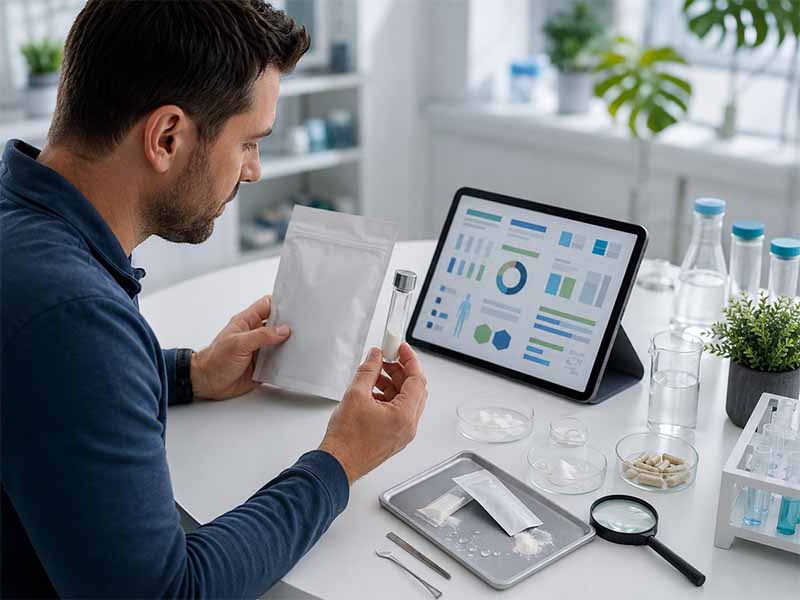
NRL product cards should include brand name, product name, category, flavor, serving size, servings per container, price, price per serving, Amazon URL, official website URL, subscription option, best for, not best for, and last updated date. These fields help readers compare products without opening ten tabs or guessing whether one container has better value than another.
Ingredient Facts
For electrolyte powders, NRL tracks sodium, potassium, magnesium, calcium, chloride, sugar, added sugar, carbs, calories, sweetener type, creatine, taurine, BCAA/EAA content, caffeine, artificial colors, artificial flavors, and preservatives when available. For other categories, we adjust the ingredient fields based on product type.

Trust Signals
NRL checks GMP, NSF, Informed Sport, third-party testing, COA availability, vegan, gluten-free, non-GMO, sugar-free, keto-friendly, caffeine-free, Made in USA, Amazon rating, number of reviews, return policy, and brand transparency where the information is available.

Buying Context
Readers need more than formula details. We also look at price per serving, subscription discounts, public review trends, return options, and whether a product appears easy to buy on Amazon, brand websites, or local platforms.
How Scores Are Explained
NRL score bands show whether a product is excellent, strong, useful with trade-offs, limited, or not recommended.
| Score Range | Meaning | How Readers Should Use It |
|---|---|---|
| 9.0–10 | Excellent | Strong fit for clear users and scenarios, with few major drawbacks |
| 8.0–8.9 | Very Strong | Good overall choice, but may have a few trade-offs |
| 7.0–7.9 | Solid | Useful for some users, but comparison is recommended |
| 6.0–6.9 | Limited Fit | May suit budget needs or narrow scenarios but has clear limitations |
| Below 6.0 | Not Recommended | Weak transparency, poor fit, poor value, or too many unresolved concerns |
A score should never stand alone. Each review should explain why the product scored that way, who it is best for, who it is not best for, what data was used, and whether the review was hands-on tested, label-based, or supported by public feedback analysis.
Best For and Not Best For
A useful review should tell readers who should consider a product and who should compare other options.
NRL avoids treating one supplement as perfect for everyone. The same product can work well for one buyer and poorly for another. A salty electrolyte powder may be suitable for heavy sweaters, endurance athletes, hot-weather workers, or fasting users who specifically want higher sodium. The same product may be too salty or unnecessary for someone seeking casual daily hydration. A caffeinated pre-workout may be useful for some gym routines but not suitable for caffeine-sensitive users or late-evening training.
This is why every review should include a clear “Best For” section and a clear “Not Best For” section. These sections make the content more useful and more honest. They also reduce the chance that a reader misunderstands a ranking as universal advice. NRL’s fit-based structure is especially important for categories like electrolyte powder, creatine, protein powder, magnesium, omega-3, probiotics, sleep support, focus supplements, and longevity products. Buyers want to know not only what is good, but whether it is good for them.

Price and Value Method
Container price can mislead shoppers, so NRL compares cost per serving and routine affordability.
Cost Per Serving
NRL does not judge value only by the listed container price. A $29.99 product with 15 servings may cost more per serving than a $39.99 product with 30 servings. For supplements used daily, price per serving can change the buying decision more than the front-of-pack price. This is why NRL product tables should include serving size, servings per container, current price when available, and price per serving.
Formula Versus Price
Value is not always about the cheapest option. A product may cost more because it has better label transparency, stronger testing signals, a more complete formula, better mixability, or a more suitable use case. Another product may be affordable but use unclear blends, low ingredient amounts, or poor label clarity. NRL’s value method compares cost with what the reader actually receives.
Routine Fit
A supplement that is hard to take consistently may offer poor practical value even with a reasonable price. Taste, format, serving convenience, flavor options, container size, subscription availability, and user feedback patterns can all affect long-term usefulness.
Transparency and Disclosure Method
NRL discloses affiliate links, Amazon commissions, sponsored placements, partner relationships, and sponsored samples clearly.
Affiliate Links
Some NRL pages may include affiliate links. If a reader buys through those links, NRL may earn a commission. That relationship should be disclosed clearly and should not replace the scoring framework. A product can be monetized and still be reviewed critically, but readers must understand the relationship.
Amazon Links
If NRL participates in the Amazon Associates program, the site should include clear language such as: “As an Amazon Associate, we may earn from qualifying purchases.” This statement should be easy to find in the footer, disclosure page, or relevant content.
Sponsored Placements
Sponsored placement should be labeled. Sponsored placement does not automatically mean a higher editorial score unless the scoring process is clearly explained. If a brand pays for placement, readers should be able to distinguish paid visibility from editorial evaluation.
Partner Products
If a product is associated with a partner brand or commercial relationship, NRL should disclose the relationship where relevant. The review should still explain product strengths, limitations, fit, and data basis.
Frequently Asked Questions
1. How does NRL review supplements?
NRL reviews supplements by checking formula quality, dosage transparency, evidence fit, safety and label clarity, price and value, brand trust, and customer feedback patterns.
2. Are all products hands-on tested?
No. Some reviews are hands-on tested, while others are label-based or supported by public feedback analysis. The evidence level should be shown clearly.
3. How are electrolyte powders scored?
Electrolytes are scored by electrolyte profile, sugar and sweetener profile, ingredient transparency, taste and mixability, use-case fit, price per serving, and feedback patterns.
4. Does a high score mean best for everyone?
No. A high score means strong performance for a defined use case. NRL still explains who the product is best for and not best for.
5. Do affiliate links affect ratings?
Affiliate links may appear, but ratings should follow NRL’s published scoring criteria. Commercial relationships should be disclosed clearly.
6. How does NRL calculate value?
NRL looks at price per serving, serving count, formula quality, subscription options, label clarity, and whether the product fits routine use.
7. Can brands submit products?
Yes. Brands may submit products or information, but samples, sponsorships, or partnerships should be disclosed where relevant.
8. How often are reviews updated?
Reviews should be updated when formulas, prices, availability, certifications, disclosures, or key product facts change.
9. Does NRL give medical advice?
No. NRL provides educational supplement buying guidance only. Readers should consult qualified healthcare professionals for medical questions.
10. How can I report an error?
Email info@nutrireviewlab.com with the page URL, product name, correction details, source link, screenshot, or updated label.
Contact the Review Team
Contact NRL with product facts, label images, source links, screenshots, or questions about review methodology.
If you want NRL to review a product, correct a product detail, update a formula note, or explain a ranking, send the review team as much useful information as possible. Helpful messages include the brand name, product name, category, product URL, Amazon URL if available, supplement facts panel, current price, servings per container, serving size, and the specific question you want answered.
For electrolyte powders, include sodium, potassium, magnesium, calcium, chloride, sugar, added sugar, carbs, calories, sweetener type, caffeine, and price per serving when available. For creatine, protein powder, magnesium, omega-3, collagen, probiotics, or longevity supplements, include ingredient form, dosage, serving size, and certification details.
NRL welcomes correction notes from readers, brands, and industry professionals, but review decisions remain tied to our methodology. We do not accept unsupported medical claims, invented test results, or promotional rewriting as a substitute for verifiable product facts.
Send Us Your Questions Directly
We’re Here to Help You Choose the Right Supplement
Choose Supplements With Clearer Criteria
Use NRL’s review methodology to compare formulas, labels, prices, evidence levels, and real-world product fit.
Before choosing your next supplement, look beyond the front label. NutrireviewLab helps you compare what matters: ingredient amounts, dosage clarity, price per serving, safety notes, use-case fit, evidence level, and brand transparency.
Whether you are comparing electrolyte powders, creatine, magnesium, protein, omega-3, probiotics, or longevity supplements, our methodology helps you understand both strengths and trade-offs before buying.